
-
-
-
Samut Prakan Province, 10570, Thailand

Lysergic Acid Diethylamide (LSD) is a synthetic psychoactive compound first synthesized in 1938. It belongs to the lysergamide class of compounds and has been studied for its effects on perception, cognition, and consciousness. LSD has been the subject of scientific research in neuroscience, psychiatry, psychology, and pharmacology. Due to its potent psychoactive effects, its manufacture, possession, distribution, and use are strictly regulated or prohibited in many countries.
This page is provided solely for educational and scientific reference.
| Property | Information |
|---|---|
| Chemical Name | Lysergic Acid Diethylamide |
| Common Name | LSD |
| Chemical Class | Lysergamide |
| Molecular Formula | C₂₀H₂₅N₃O |
| Molecular Weight | 323.44 g/mol |
| CAS Number | 50-37-3 |
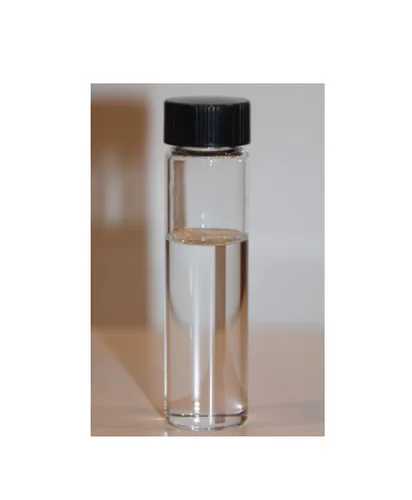
| Appearance | Colorless, odorless crystalline substance (pure form) |
| Solubility | Soluble in water and certain organic solvents |
LSD was first synthesized in 1938 by Swiss chemist Albert Hofmann during research into ergot alkaloids. Its psychoactive properties were identified several years later, leading to extensive scientific investigation into its pharmacological effects and potential therapeutic applications.
Historically and in modern regulated research settings, LSD has been studied in areas including:
Research involving LSD is conducted only under strict ethical approval and regulatory oversight.
LSD primarily interacts with serotonin receptors, particularly the 5-HT2A receptor, resulting in altered perception, mood, cognition, and sensory processing. Researchers continue to investigate its effects on neural networks and brain function.
The legal status of LSD varies between countries. In many jurisdictions, it is classified as a controlled substance, and its manufacture, possession, sale, distribution, and non-authorized use are prohibited or heavily restricted.
Researchers and institutions must comply with all applicable national and international laws before conducting any work involving LSD.
Exposure to LSD may produce significant psychological and physiological effects. Potential risks include:
Responses vary depending on the individual and the setting. Anyone experiencing adverse effects should seek appropriate medical assistance.
Current research continues to investigate LSD's pharmacology and potential therapeutic applications under carefully controlled clinical conditions. Such studies are performed only with regulatory approval, institutional oversight, and informed participant consent.
This information is intended solely for educational and scientific purposes. It should not be interpreted as guidance for manufacturing, acquiring, distributing, or using LSD. Always comply with applicable laws and regulations governing controlled substances.

Ethylene Glycol is a high-performance organic chemical widely used across automotive, chem...
Read More
Lysergic Acid Diethylamide (LSD) is a synthetic psychoactive compound first synthesized in...
Read More